Le Mans begins before the flag drops.
On Wednesday, the city starts filling with purpose. By Friday, even quiet roads around the circuit carry a different weight—vans, radios, last-minute runs, teams moving with the calm of people who know what is coming. When Saturday arrives, the air shifts again. You feel it in how conversations shorten, how eyes keep returning to the clock, how everyone starts measuring time in stints, not hours.
Then night falls.
The circuit doesn’t “go quiet”—it concentrates. Headlights carve the dark. The sound becomes steadier, more mechanical, less celebratory. This is when Le Mans shows its true character: discipline under fatigue, teamwork without theatrics, decisions that must survive until morning.
If you are hosting senior clients, a board, or a leadership team, this is why Le Mans matters. It’s one of the few major events where endurance and collective performance are visible—minute after minute—without anyone having to explain them.
This atmosphere makes it a unique setting for top executive retreats focused on resilience and strategy.

24 Hours of Le Mans 2026 — Executive Snapshot
Le Mans is not experienced in moments, but in phases. Understanding its rhythm is the first condition for designing a corporate program that holds.
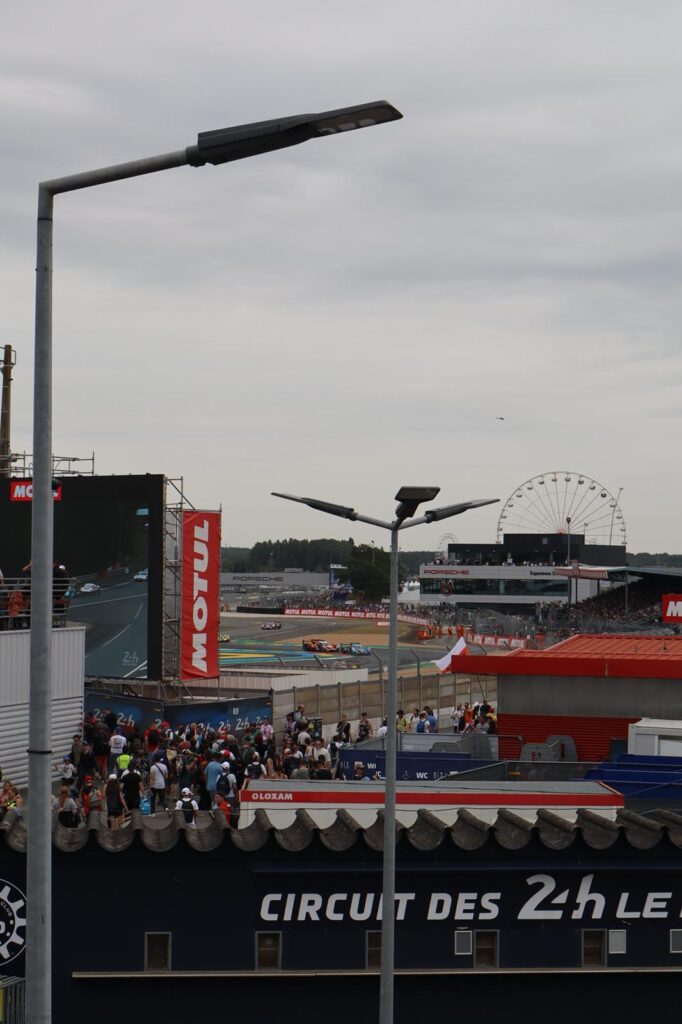
The official race week runs 10–14 June 2026, with the race itself on Saturday 13 to Sunday 14 June 2026.
A key prelude is scrutineering in downtown Le Mans, a public, technical moment that gives the week its first pulse—machines up close, teams exposed, the ritual of “we’re really here.”
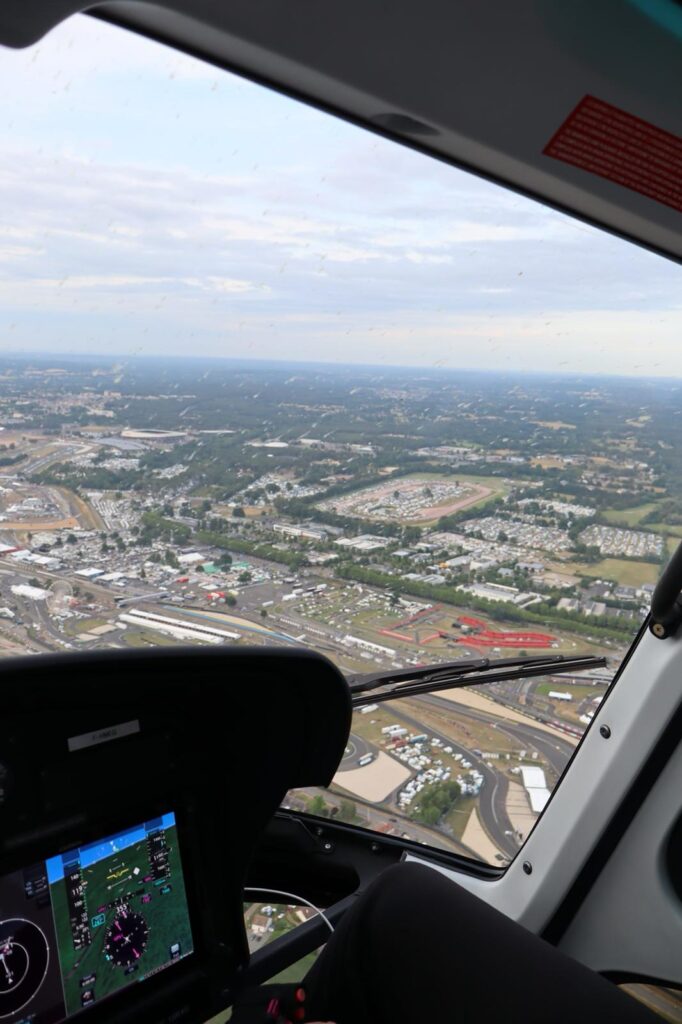
Operationally, Le Mans is the opposite of a compact event:
- the site is vast,
- distances are real,
- and the experience is designed to be lived across day and night.
Two practical consequences matter for corporate events in France of this scale:
- Once the race is underway, a coherent experience depends on staying stable on-site.
- Parking and circulation rules vary by day, and some day-parking products explicitly do not allow re-entry once you leave (important for planning “in-and-out” ideas).
This is why Le Mans programs succeed when they are built as an endurance experience—paced, protected, and continuous—rather than as a sequence of “drop-ins”.
Why Le Mans Works for Senior Corporate Hosting
Le Mans is a leadership laboratory that happens in public.
Not because it is “inspiring.” Because it is structured around realities senior teams recognise immediately:
- performance held under duration,
- coordination across roles,
- decision-making under uncertainty,
- calm maintained when conditions drift.
At Le Mans, individuals rotate and the system endures. That is the entire point of endurance racing—reliability, teamwork, and judgement over time.
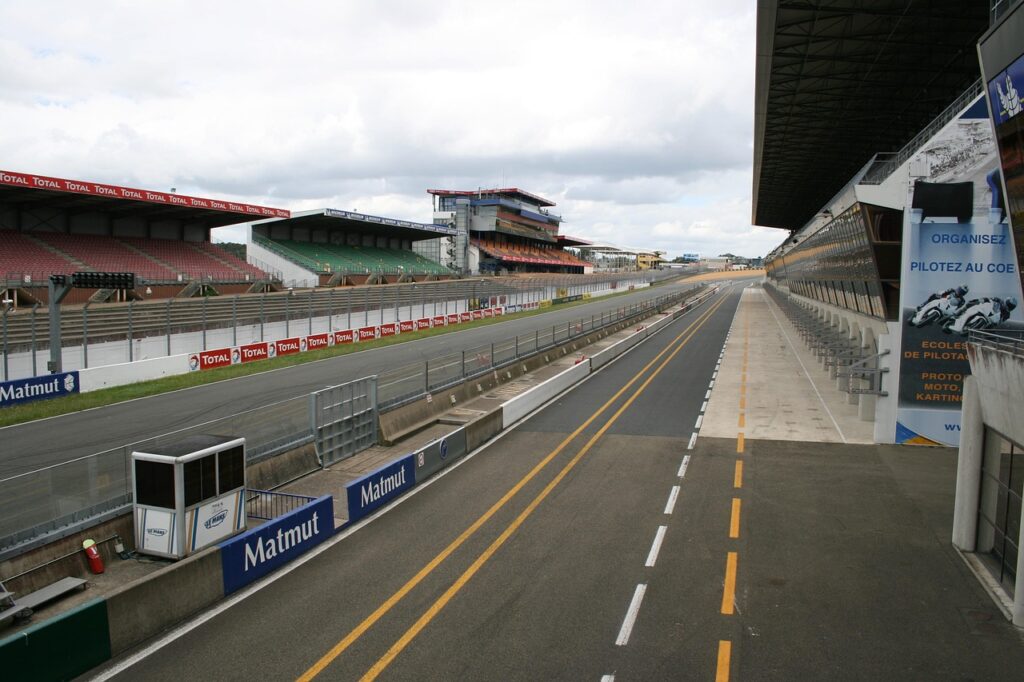
Three Ways to Host Around Le Mans — Designed for Real Le Mans Constraints
1) The Night Shift — Experiencing Le Mans Where It Truly Happens
If Le Mans is to make sense, it must be lived during the hours when the race reveals its true nature.
This format is built around the night — not as an endurance challenge for guests, but as a carefully paced immersion into the core of the event. Arrivals are timed to avoid saturation. Hosting is anchored on site, with a stable base that allows guests to move, rest, and return without friction.
As darkness settles, the race changes. The noise becomes steadier. Movements slow. Teams work with a different kind of precision. This is when endurance stops being an abstract idea and becomes visible, tangible, almost physical.
Guests are accompanied by someone who knows Le Mans from the inside — a motorsport journalist, an endurance specialist, or a former team member — who helps read what is unfolding without turning the experience into a technical briefing. Why a stint matters. What “clean” racing looks like at 2 a.m. How decisions made hours earlier begin to show their consequences.
The night is followed by rest on site, then a return to the track as daylight comes back and strategies evolve again.
This experience is demanding, but deeply rewarding. It works best for senior clients and leaders who are willing to engage with the race on its own terms — and who understand that meaning at Le Mans comes from duration, not highlights. It aligns perfectly with high-impact incentive travel programs.
2) Le Mans as Proof Point — Leadership or Board Programs Anchored in Endurance
In this structure, Le Mans does not drive the program.
It gives it weight.
The experience begins away from the circuit, in a setting designed for focus: a discreet location in the Sarthe, the Loire Valley, or Paris. Leadership sessions, board meetings, or strategic discussions take place in calm conditions, with time to think and align.
Le Mans enters the agenda deliberately, at a moment chosen for what it represents rather than for its spectacle. A controlled immersion — often in the early evening or as night begins — allows the group to encounter the race when endurance, coordination, and discipline become visible.
Access and movement are planned conservatively. This is not a “drop-in”. Once the race reaches its peak, the experience is designed to remain stable, without repeated exits or improvised returns.
What guests take from the circuit is not excitement, but perspective. The race becomes a shared reference point — something seen together, understood together — before returning to quieter surroundings where conversations can deepen.
This format is particularly effective for boards, leadership teams, and family offices looking for a VIP clients gathering in France that offers substance. Le Mans does not distract from strategic work; it sharpens it, by placing abstract discussions against a real, demanding environment.
3) Beyond the Race — Turning Endurance into Shared Culture
For some groups, the most valuable moments happen after the circuit.
In this architecture, participation in the race is selective and measured. Guests experience Le Mans long enough to grasp its rhythm and its discipline — without being asked to carry the full physical demand of the event.
Then the program opens into a second phase. Away from the track, in the Sarthe countryside or the Loire Valley, the atmosphere changes. The tension drops. Time stretches. Meals are unhurried. Conversations take a different tone.
What was lived at Le Mans becomes background rather than subject. The shared exposure to endurance creates a quiet bond, making exchanges more direct and more personal. This is where long-term client relationships are often strengthened — not through spectacle, but through time spent together after intensity.
This approach suits senior clients and long-standing relationships, where loyalty is built on substance rather than impression. Le Mans provides the depth; the days that follow allow it to turn into connection.
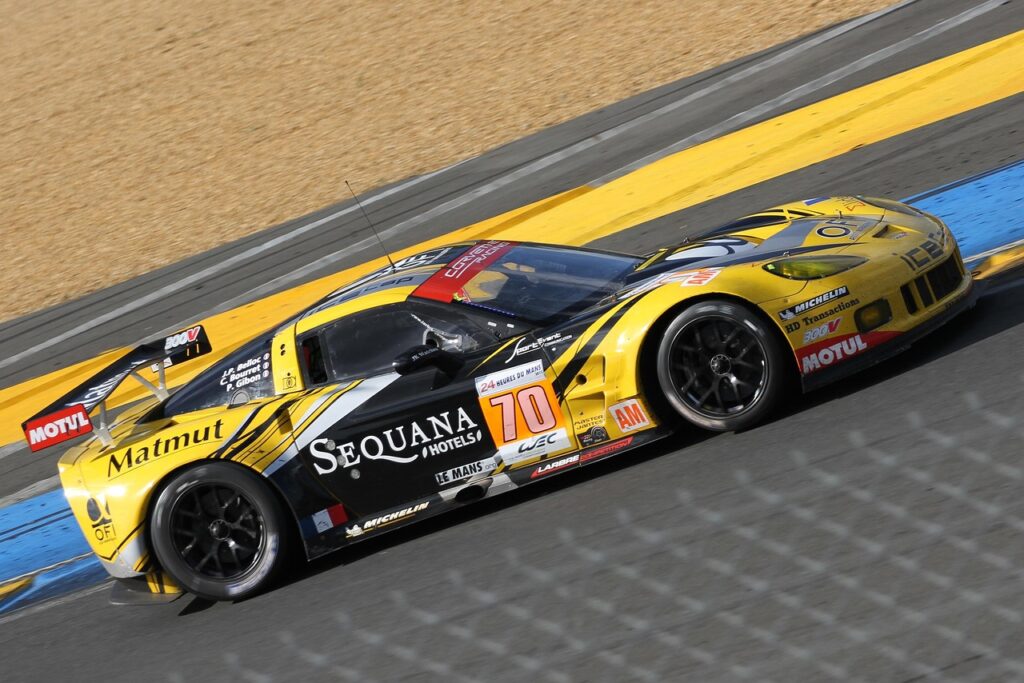
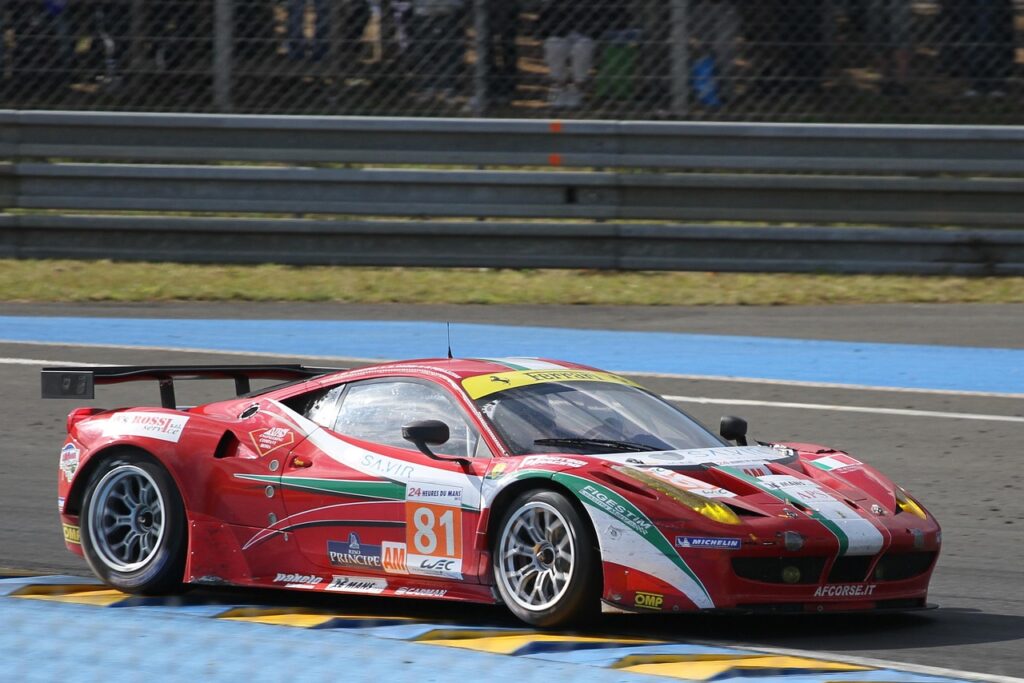
What We Manage, Concretely
Le Mans programs rarely fail at their peak moments.
They unravel in the transitions.
We provide expert corporate travel management to handle the pressure points that typically destabilize corporate hosting at Le Mans:
- arrival and parking strategies aligned with day-specific access and re-entry rules,
- on-site accommodation choices adapted to guest profile, from official hospitality lodging to premium glamping or nearby controlled bases,
- sleep planning designed around race rhythm rather than hotel conventions,
- quiet zones and recovery moments that allow guests to remain present as the night unfolds,
- a stable hosting base that supports movement, rest, and return throughout the race,
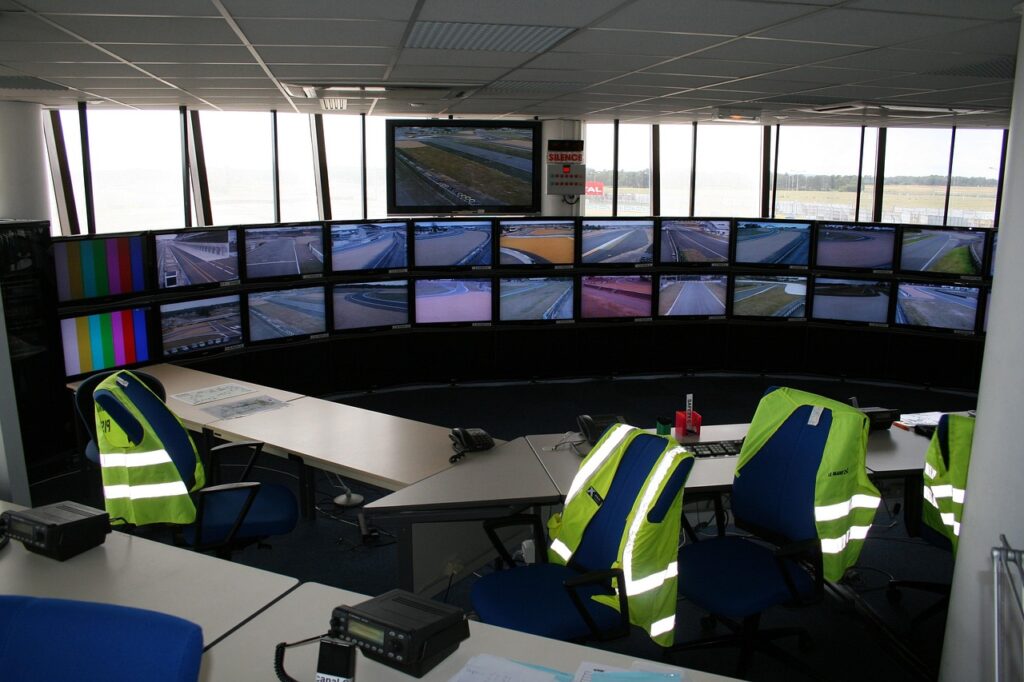
- routing across a geographically extensive circuit environment,
- timing calibrated to stint patterns and guest energy,
- real-time decision authority on site, so adjustments happen discreetly.
At Le Mans, where guests stay shapes the entire experience.
Rest, proximity, and continuity determine how the night is lived and how the race is remembered. Accommodation is therefore integrated into the program’s architecture from the outset, not treated as a separate logistical layer.
The event relies heavily on working relationships — not to promise access, but to ensure coherence under pressure. The value lies in operating within Le Mans conditions, alongside partners and environments accustomed to endurance, continuity, and long-duration hosting.
A Note for Executive Assistants and Project Leads
Le Mans becomes demanding for one simple reason: duration.
Over the course of the race, pressure does not spike — it accumulates. The risks are well known:
- guests tiring at different speeds,
- programs built on fixed timings while the race stretches unpredictably,
- logistics that appear sound on paper but unravel deep into the night.
A strong EA experience at Le Mans rests on a clear backbone: one coherent structure, controlled movement, and a sleep strategy that is fully integrated into the program rather than treated as an afterthought.
Moving Forward
Le Mans tends to attract a very specific kind of guest.
Those who are curious rather than impressionable.
Those who value coherence over spectacle.
Those who understand that certain experiences only make sense when they are allowed to unfold fully.
If your objective is leadership alignment, long-term client relationships, or a senior offsite grounded in substance rather than noise, we can design a Le Mans 2026 program that holds across the full cycle — from arrival, through the night, and into the return.
Request a 24 Hours of Le Mans 2026 Corporate Brief
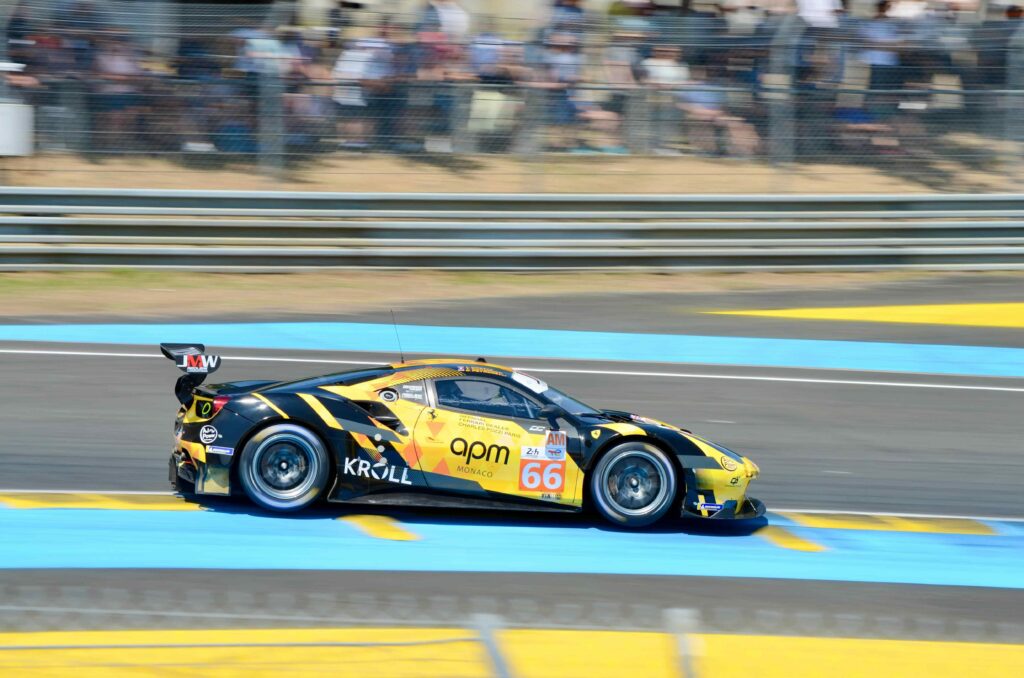
Key Questions Corporate Hosts Ask About Le Mans 2026
Do we really need to stay on-site overnight?
For most senior groups, yes.
Once the race enters its core phase, coherence comes from proximity and rest. An on-site base combined with a proper sleep strategy allows guests to experience the night without exhaustion. Attempting to “commute” in and out usually fragments the experience and increases fatigue rather than comfort.
Can we “drop in” for a few hours and leave?
Earlier in the week, yes — scrutineering in town is well suited to brief, controlled appearances.
During the race itself, however, repeated exits and re-entries become fragile, particularly given day-specific parking and re-entry rules. Programs built on continuity tend to feel calmer and more credible.
What’s the single best moment to feel Le Mans?
The night.
That is when endurance becomes visible: fewer distractions, steadier rhythm, and teams operating at their most disciplined. For many guests, this is when the race finally makes sense.
Is Le Mans too technical for non-motorsport guests?
Not when the experience is properly guided.
With a knowledgeable intermediary — a journalist, endurance specialist, or former team member — guests quickly grasp what matters: reliability, judgement under fatigue, and collective coordination. No technical background is required.
What dates should we plan around?
The official race week runs from 10 to 14 June 2026, with the race itself taking place from Saturday 13 to Sunday 14 June 2026. Planning should account for both the build-up and the race phases to ensure a coherent experience.